Serving Moreno Valley, CA and surrounding areas. (909) 546-5539
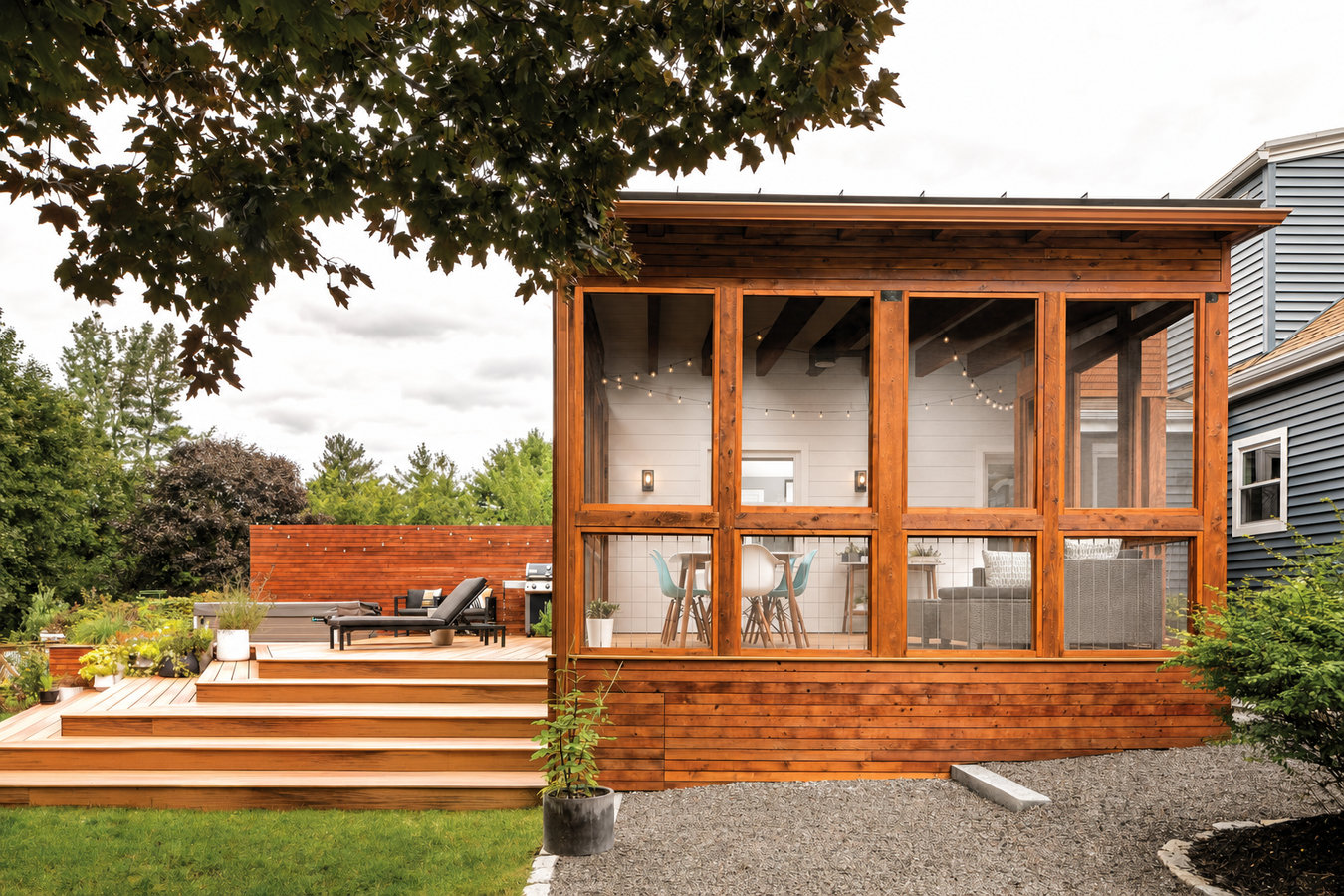
Moreno Valley summers are long and dusty. A screened enclosure gives you a shaded, bug-free outdoor room your family can actually use - even in July.
Screened-in porches and screened decks in Moreno Valley create an outdoor room enclosed with mesh panels on all open sides, keeping insects, blowing dust, and direct sun out while letting fresh air in. Most projects take three to seven days of construction once city permits are approved.
If your backyard sits empty from May through October because it is too hot, too dusty, or too full of mosquitoes to enjoy, a screened enclosure changes that equation. Many Moreno Valley homeowners pair a screened porch with a covered deck or patio cover for a shaded, screened outdoor room that works all year.
Every project we build in Moreno Valley is fully permitted through the city, anchored for Santa Ana wind conditions, and designed using UV-resistant screen mesh that holds up through the Inland Empire's intense sun seasons.
If your patio or deck sits unused from April through October, that is a clear sign an open outdoor space is not working for your climate. Moreno Valley summers are long, hot, and relentless, and a deck with no protection simply does not get used. A screened enclosure with shade overhead turns that dead space into a room your family actually gathers in.
If your outdoor furniture is coated in grit two days after you clean it, you are living with the Inland Empire's air quality problem in real time. A screened enclosure dramatically reduces how much blowing dust lands directly on your patio furniture, grill, and dining table. Less cleaning, more time outside.
If you cannot sit outside after sunset without getting bitten, a properly screened porch solves that completely. The Moreno Valley area has seen increased pressure from the Aedes mosquito, which bites during the day as well as at night. A self-closing screened door and tight mesh panels keep them out reliably.
If your existing cover is faded, cracked, or just not doing the job, a screened enclosure is a natural next step rather than a straight replacement. Adding screens to a cover replacement gives you bug protection, dust reduction, and a more defined outdoor room for a modest additional cost over a basic cover swap.
We build screened enclosures on existing decks and on new platforms we construct from the ground up. Every project starts with a frame - wood or aluminum posts and beams - that defines the walls and roofline of your screened space. The mesh is then stretched tightly across that frame and locked in with a spline so it stays taut through wind events. We also handle all city permit applications and coordinate HOA architectural review submissions on your behalf.
For homeowners who want to pair their screened space with additional outdoor improvements, we offer pergola installation that can serve as the structural base for a screened enclosure. We also work alongside homeowners planning covered decks and patio covers so both projects can be designed together and permitted in a single application when possible.
Best for homeowners who already have a deck platform in good shape and want to add bug and dust protection without a full build.
Best for homeowners who want to create an outdoor room from scratch, combining a new deck platform with a full screened structure.
Best for homeowners who want a larger, room-like outdoor space attached to their home, with a solid or lattice roof and screen on all sides.
Best for homeowners who have an existing screened structure with sagging, torn, or UV-degraded mesh that needs to be replaced.
Moreno Valley sits in the Inland Empire at roughly 1,600 feet elevation and receives over 280 sunny days per year. That UV intensity degrades standard fiberglass screen mesh faster than in coastal climates - which is why we specify UV-resistant or solar screen mesh on every project here. The Inland Empire also experiences Santa Ana wind events in fall and winter that can gust past 50 miles per hour, so the frames we build are anchored more securely than what you would need in a calmer area. Homeowners in Moreno Valley deal with dust and grit settling on outdoor surfaces within days of cleaning - a screened space reduces that significantly.
A large share of Moreno Valley's neighborhoods - including Sunnymead Ranch, TownGate, and Rancho Belago - are governed by HOAs that require architectural review before any visible outdoor structure is added. We handle that paperwork as part of every project. Homeowners in Riverside face similar conditions and the same permit requirements, and we regularly build screened enclosures across the broader Inland Empire area.
We respond within one business day. We will ask a few basic questions about your space - size, whether you have an existing deck, and whether your neighborhood has an HOA - so we can show up to your home ready to give you a realistic estimate.
We come to your home, measure the space, check how your house is built, and walk through your options. You leave with a clear sense of what is possible, what the project will cost, and a rough timeline - before you commit to anything.
We handle the city permit application on your behalf and provide the drawings your HOA needs for their architectural review. This step can take two to six weeks, and we keep you updated throughout so nothing comes as a surprise.
Most screened porch builds take three to seven days of active construction. We clean up the work area at the end of each day. After construction, a city inspector signs off on the work - and we walk you through the finished space before closing out the project.
We handle permits, HOA paperwork, and construction. Call or submit your request and we will get back to you within one business day.
(909) 546-5539We do not use standard window screen material on Inland Empire projects. Every screened enclosure we build uses UV-resistant or solar screen mesh rated for high-sun environments. That choice extends the life of your screens by years compared to what basic mesh provides in Moreno Valley's intense sun.
Santa Ana wind gusts in the Inland Empire regularly exceed 50 miles per hour. We set our frames with that in mind - post anchors, screen tension, and connection points are all specified to handle that load. A screen enclosure that handles the first big wind event without tearing or racking is built differently from one that is not.
We handle every piece of paperwork - city permit application, inspection scheduling, and HOA architectural review drawings. You do not have to chase down forms or figure out what the city needs. That is our job, and we do it on every project we build.
We have been building outdoor structures in Moreno Valley and across the Inland Empire since 2018. We know how the city permit office works, which HOA communities have strict review processes, and what local soil and wind conditions demand from a screened enclosure. That local knowledge is part of every project we take on.
A screened enclosure built right for Moreno Valley handles the heat, the wind, and the dust season after season. Call or reach out today and we will get back to you within one business day.
For industry standards on screen installation and outdoor structure best practices, see the North American Deck and Railing Association (NADRA). For California permit requirements, visit the California Department of Housing and Community Development.
Add a solid or lattice roof to your outdoor space for shade and weather protection that works even without a full screened enclosure.
Learn MoreA pergola can serve as the structural framework for a future screened enclosure, giving you flexibility to expand your outdoor room over time.
Learn MoreCall today or submit a request online. We respond within one business day and handle permits, HOA paperwork, and every step of the build.