Serving Moreno Valley, CA and surrounding areas. (909) 546-5539
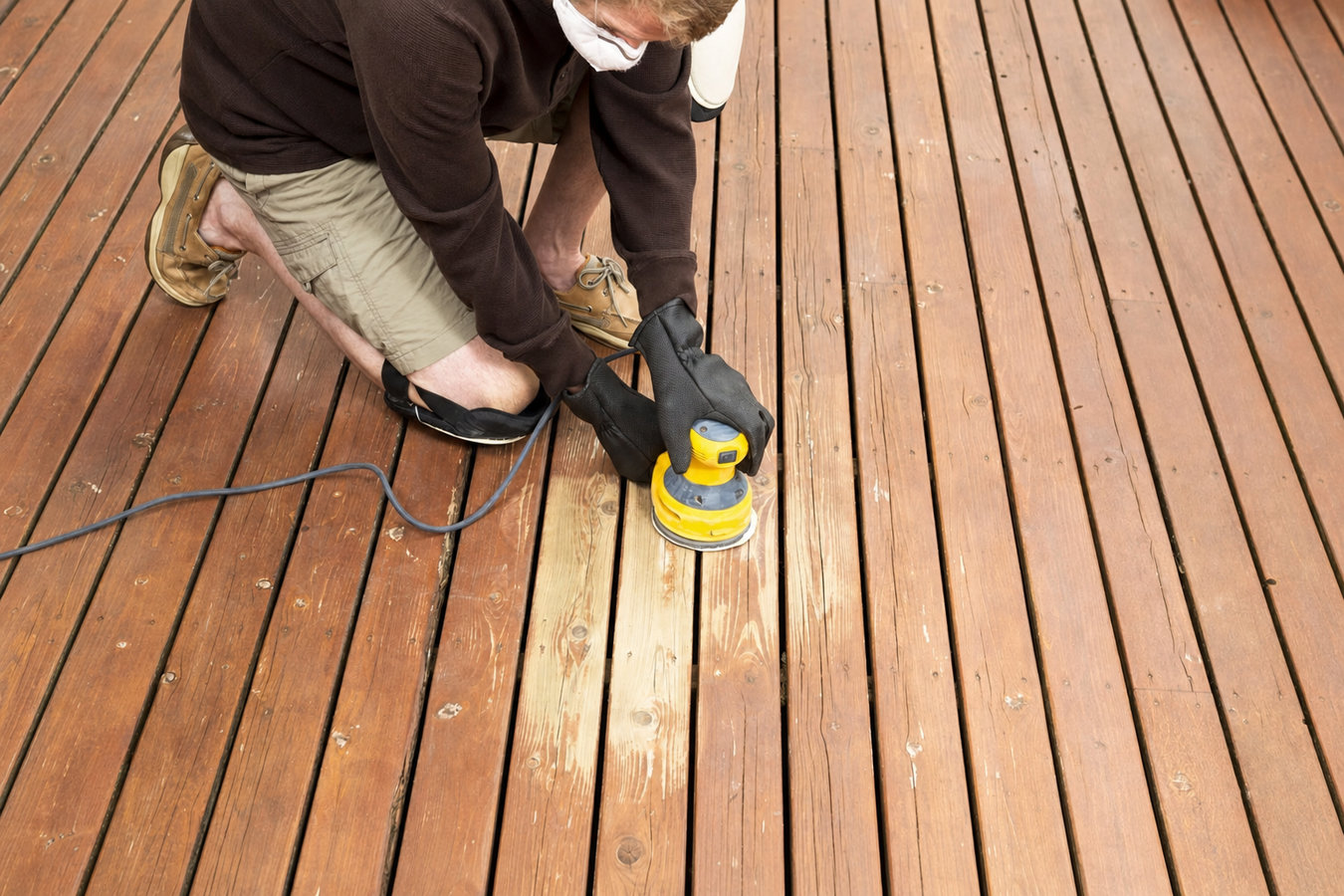
Soft spots, loose railings, or a deck that is just showing its age - we inspect the full structure, give you an honest answer on repair vs. replacement, and handle every permit along the way.
Deck repair and replacement in Moreno Valley starts with a full structural inspection - if the frame is solid, surface repairs often extend the deck's life by years; if posts, beams, or the ledger connection show rot or instability, a full replacement is almost always the safer and more cost-effective long-term path, with most residential builds completed in two to five working days once permits are in hand.
Many homeowners come to us after replacing surface boards themselves, only to discover the problem was in the frame underneath. In Moreno Valley's older neighborhoods - many homes were built in the 1980s and 1990s - original decks are now 25 to 40 years old, and hidden frame damage is more common than it looks from the surface. We inspect the full structure before giving a price, so what you approve is what gets built, with no surprises mid-project. If you are weighing a replacement and considering a different material, our cedar wood deck construction page covers a popular natural wood option, and our deck staining and sealing service can extend the life of a structurally sound deck that just needs a protective refresh.
The connection between your deck and your house - the ledger board - is the most structurally critical point on the whole structure. It should be bolted directly into the house framing, not just nailed, with metal flashing to keep water out. This detail is one of the most commonly skipped shortcuts on older decks, and it is one of the first things we check.
If you notice any give or bounce underfoot - especially near the house or around the posts - that is a sign the wood underneath may be rotting. Soft spots do not always look damaged from the surface, which is what makes them easy to miss. In Moreno Valley's older neighborhoods, this is one of the most common signs that a deck has reached the end of its safe life.
Give your railing a firm push. It should feel completely solid. Any wobble, lean, or creaking means the posts or connections have weakened, and a loose railing is a fall hazard - especially for children and older adults. This is a safety issue that should be addressed before the deck is used again.
The point where your deck connects to the house is the most structurally critical spot on the whole structure. If you see a gap opening up between the deck and the house wall, or if the flashing looks bent, rusted, or missing, water has likely been getting in. In Moreno Valley, where summer heat is followed by periodic heavy rain events, this kind of water intrusion can rot the house framing behind the siding.
If your home was built in the 1980s or 1990s - common in Moreno Valley - and the deck has never had a professional look at the frame and footings, it is overdue for an inspection. Age alone is not a reason to replace, but it is a reason to find out what you are working with before a problem becomes an emergency.
Every project starts with a free on-site inspection of the full structure - surface boards, frame, posts, footings, and the ledger connection to your house. We give you a written assessment of what we find and a clear recommendation on whether repair or replacement makes more sense for your situation. If repair is the right path, we replace the damaged boards, tighten the connections, address any ledger or flashing issues, and restore the structure to safe working condition. If replacement is the right call, we tear out the old structure completely, reset the footings for local soil conditions, and build the new deck from the ground up. Our deck staining and sealing service is available after a repair or replacement to protect the new surface against Moreno Valley's UV intensity from day one.
For replacement projects, we handle the permit application with the City of Moreno Valley and, if needed, prepare the documentation for HOA architectural review. The city inspector checks the new framing before the surface boards go down - an independent verification that the structure meets current building standards. Material choices for the new deck range from pressure-treated wood to composite and cedar, and we cover the trade-offs for each during the estimate visit.
When the frame is solid but individual boards are cracked, rotted, or splintered - we replace the damaged boards and re-secure any loose fasteners.
For decks where the surface is fine but the railing system has become a safety concern - loose posts, worn connections, or missing balusters.
When the attachment point between the deck and your house has gaps, missing flashing, or inadequate fastening - the most structurally critical repair on any attached deck.
When the frame, posts, or footings have deteriorated beyond repair - we remove everything and build a new deck from the ground up with a fresh permit.
For decks where the surface and frame are in reasonable shape but the footings have shifted or the posts show rot at grade level.
When replacing a worn wood deck, some homeowners use the opportunity to switch to composite or cedar - we cover all options during the estimate.
Moreno Valley's combination of intense summer heat, strong UV exposure, and periodic heavy rain accelerates the breakdown of outdoor wood faster than most parts of the country. Untreated or unfinished wood can begin to crack and splinter within a single season in the Inland Empire's climate - and decks that are already aging do not get a grace period. For homeowners in established neighborhoods like Perris and Colton, where homes from the 1980s and 1990s are the norm, deck inspections are especially important because what looks fine on the surface often hides rot in the frame.
Moreno Valley's expansive clay soils add another layer of complexity. The seasonal swell-and-shrink cycle can shift footings over time, causing posts to lean and the frame to go out of level in ways that are not always obvious until the deck feels different underfoot. A contractor who knows local soil conditions will check the footing depth and stability as part of any deck inspection - not just the surface. The North American Deck and Railing Association recommends a professional deck inspection every year for decks over five years old, and every season for decks that are ten years or older - a standard that matters even more in this climate.
We respond within one business day. Tell us what you are seeing - soft spots, wobbly railings, gaps at the house - and we schedule a free on-site visit at a time that works for you. No need to have all the answers ready.
We walk the deck and check the surface boards, frame, posts, footings, and ledger connection. You get a written assessment of what we found and a clear recommendation - repair or replace - with an itemized cost estimate. Labor, materials, and any permit fees are broken out separately.
For replacement projects, we pull the required permit from the City of Moreno Valley before any work begins. If your neighborhood has an HOA, we prepare the documentation for architectural review at the same time. This step typically takes one to two weeks, and we keep you updated throughout.
For repairs, we complete the work and walk you through what was done. For replacements, the crew demolishes the old structure, hauls debris, sets new footings, builds the frame, and installs the surface and railings. A city inspector checks the framing before the surface goes down, and we finish with a final walkthrough covering maintenance and what to watch for.
Free on-site inspection and written estimate. We tell you exactly what we find - no pressure, no obligation.
(909) 546-5539We inspect the frame, footings, and ledger connection before we give you a number. In Moreno Valley's older neighborhoods, surface repairs that leave hidden rot in the frame are the most common bad outcome in deck work. You will not get that from us - what we find is what you hear about.
Parts of Moreno Valley sit on expansive clay soils that shift with the seasons. We dig replacement footings to the depth local conditions require and use concrete mixes designed to resist that movement - a detail that does not cost much more to do right but makes a real difference over the years.
Deck replacement in Moreno Valley requires a city permit, and many neighborhoods require HOA approval on top of that. We manage both processes - submitting plans, coordinating inspections, and keeping you informed at every step so you never have to make a confusing phone call to a city office.
A city inspector reviews the new framing before the surface boards go down on every permitted replacement we build. That independent check is built into the process - it has nothing to do with us, and it means you are not just taking our word that the structure is safe.
Every replacement we build goes through the city permit and inspection process, and every homeowner leaves with a clear maintenance plan built for the Inland Empire climate. Before hiring anyone for deck work, verify their license on the California Contractors State License Board website - it takes about two minutes and gives you real information before you sign anything.
After a repair or replacement, proper staining and sealing protects the new surface against Moreno Valley's intense UV and extends the life of the wood.
Learn MoreIf you are replacing an old deck and want to upgrade the material, cedar is a natural-wood option that handles the Inland Empire climate with consistent maintenance.
Learn MoreSummer books fast in the Inland Empire - lock in your project date before the season fills up and the repair becomes a replacement.